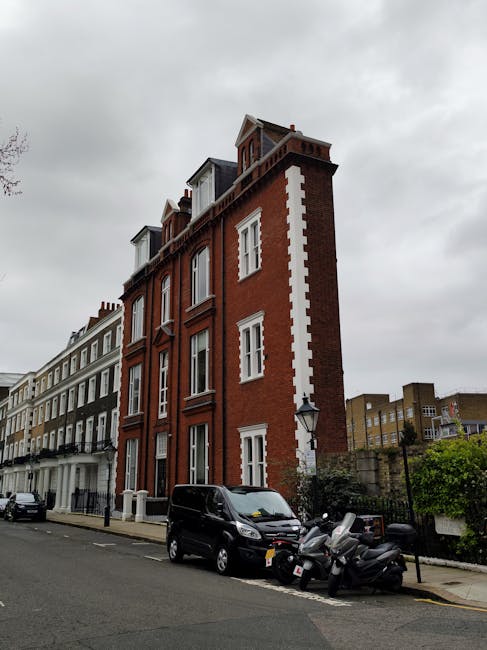
Real cost of removals in South Kensington explained
If you are trying to work out the real cost of removals in South Kensington explained in plain English, you are not alone. Pricing can feel oddly slippery at first glance. One quote looks fine, another seems far too high, and then suddenly there are extras for parking, stairs, or packing materials. Let's face it: moving in SW7 is rarely a simple point-A-to-point-B job.
This guide breaks down what actually shapes removal costs in South Kensington, why the numbers can vary so much between properties, and how to avoid the hidden add-ons that catch people off guard. You'll also find practical examples, a clear step-by-step approach, and a few local realities that matter more here than in many other parts of London.
If you're comparing providers, it also helps to understand the broader service picture. For example, some moves are better handled as full removal services, while others suit a smaller setup such as a man and van option. The right choice depends on access, volume, timing, and how much you want done for you.
Table of Contents
- Why Real cost of removals in South Kensington explained Matters
- How Real cost of removals in South Kensington explained Works
- Key Benefits and Practical Advantages
- Who This Is For and When It Makes Sense
- Step-by-Step Guidance
- Expert Tips for Better Results
- Common Mistakes to Avoid
- Tools, Resources and Recommendations
- Law, Compliance, Standards, or Best Practice
- Options, Methods, or Comparison Table
- Case Study or Real-World Example
- Practical Checklist
- Conclusion
- Frequently Asked Questions
Why Real cost of removals in South Kensington explained Matters
South Kensington is not the easiest place to price accurately. The area has a mix of mansion blocks, period conversions, terraced houses, basement flats, and commercial spaces. That means two moves that look similar on paper can cost very different amounts in practice. A third-floor walk-up with tight stairs and a loading challenge is not the same as a ground-floor flat with direct access. Not even close.
Knowing the real cost matters because removals pricing is often built from several moving parts: labour time, vehicle size, distance, packing, access, and scheduling. If you only compare a headline price, you may miss the practical details that push the final bill up. And in London, those details are usually the ones that bite.
It also matters for planning. When you understand the pricing model, you can decide whether to pack yourself, move midweek, book storage, or split the job into stages. That can save stress as well as money. To be honest, the stress savings are sometimes the bigger win.
For many households, the real question is not "what is the cheapest removals quote?" but "what will this actually cost once the job is finished properly?" That is a much better question. A realistic one.
How Real cost of removals in South Kensington explained Works
Most removals companies calculate the final price using a combination of time, labour, vehicle use, and job complexity. In South Kensington, complexity often includes parking pressure, narrow roads, controlled loading zones, lifts that are busy or small, and stair-heavy buildings. Some properties look manageable until the team arrives and discovers a long walk from the van, no nearby stopping point, or a sofa that will only turn one way. You know the sort of thing.
A typical quote may be shaped by the following factors:
- Property size and volume: More furniture, boxes, and fragile items mean more time and space.
- Access conditions: Lifts, stairs, tight hallways, narrow doors, and carrying distance all affect labour.
- Distance between addresses: Local moves still require travel time, fuel, and scheduling.
- Parking and loading constraints: Suspension needs, permits, and legal stopping points can change the job quite a bit.
- Packing requirements: If you want the team to pack, wrap, dismantle, or reassemble, that adds labour.
- Timing: Weekends, month-end dates, and short-notice bookings often cost more.
A good quote should be transparent about what is included and what would count as an extra. If it is not clear, ask. A decent company should be able to explain how the price is built, without making you feel like you are reading a mystery novel.
Some customers also need specialist handling, such as for pianos, bulky furniture, or office equipment. In those cases, a standard van hire approach may not be enough. For larger or more delicate moves, it can be worth looking at piano removals or office removals if the job calls for more structured planning and extra care.
Key Benefits and Practical Advantages
Understanding the real price picture does more than help you budget. It gives you control. That sounds simple, but during a move, control is worth a lot.
1. Better budgeting. Once you know what drives the price, you can set a more realistic budget and avoid awkward surprises on moving day.
2. Smarter comparison. You can compare quotes on a like-for-like basis instead of choosing the cheapest number and hoping for the best.
3. Fewer delays. When access and parking are planned properly, the crew can work faster and the day tends to run more smoothly.
4. Less breakage risk. Proper packing, correct loading, and suitable handling reduce the odds of damage. That part is not glamorous, but it matters.
5. More suitable service choice. You may discover that you do not need a full-scale team. Or you may realise a small van simply will not do. Either way, the decision is easier.
There is also a calmness factor. When expectations are set early, you are less likely to feel blindsided by extra charges or last-minute changes. A move is still a move - a bit hectic, a bit dusty, and usually louder than expected - but at least the finances are clear.
Who This Is For and When It Makes Sense
This topic is useful for anyone moving in or out of South Kensington, but especially if you are dealing with access limitations, valuable furniture, or a tight schedule. The cost question becomes much more important when the property itself complicates the job.
It makes sense for:
- People moving from flats with stairs, lifts, or awkward entryways
- Homeowners planning a full household relocation
- Tenants who need a fast, reliable move between lets
- Landlords and agents arranging clear-outs or changeovers
- Small businesses moving offices or equipment nearby
- Students and sharers moving lighter loads on a tighter budget
For smaller moves, a lighter service may be enough, especially if you have boxed everything in advance. In those cases, a flat removals service or a more flexible man with a van setup can be a sensible middle ground. For larger homes, full packing support and a larger team may save time overall.
If you are unsure which category you fall into, that is normal. A lot of people are. Truth be told, most households sit somewhere between "just a few boxes" and "we probably need a small convoy."
Step-by-Step Guidance
If you want a realistic estimate rather than a rough guess, follow these steps. They are simple, but they work.
1. List what is actually being moved
Start with the obvious things: furniture, boxes, appliances, and anything fragile or awkward. Include garden items, storage contents, and anything in the loft, basement, or shed. People often forget these until the night before. Then the estimate goes out the window.
2. Check access at both properties
Measure stairs, door widths, lift size, and the walking distance from the road to the property. Note whether there is a loading bay, a suspension need, or a difficult turn into the street. South Kensington access can be deceptively tricky, especially around busier roads and terrace-lined streets.
3. Decide what help you want
Do you only need transport, or do you want packing, dismantling, reassembly, and unpacking too? Every extra service adds time. Sometimes those extras are worth it, especially if you are juggling work and children or moving on a deadline.
4. Choose your moving date carefully
Peak days and peak times usually cost more. If you can move midweek or outside the busiest periods, you may get a better rate. Even shifting the move by one day can make a noticeable difference.
5. Ask for an itemised quote
An itemised quote should show what is included, what is optional, and what could trigger extra charges. Look for details around mileage, fuel, parking, waiting time, and any special handling.
6. Confirm parking and building arrangements
Parking in South Kensington is rarely an afterthought. Make sure the plan for the van is settled in advance, especially if there are building rules or timed access windows. If you want a deeper local breakdown, the article on permit rules for removals is a useful place to start.
7. Recheck the final scope a few days before
People buy, sell, donate, or suddenly decide to keep things. It happens all the time. Reconfirm the job so the vehicle size and crew match the real load, not the version you imagined three weeks earlier.
Expert Tips for Better Results
Here are the things that consistently improve both price and experience.
- Be brutally honest about access. If there are narrow stairs or a long carry, say so. It is better to overstate the difficulty than understate it.
- Photograph the larger items. A few phone pictures can help the mover judge the volume and any awkward objects.
- Keep a "do not move" pile separate. This avoids confusion on the day and prevents time being wasted sorting through mixed items.
- Label boxes by room and priority. It speeds up unloading and makes the first evening less chaotic.
- Book packing materials early. If you need boxes, wrapping, tape, or wardrobe cartons, order them in advance rather than on the morning of the move.
- Leave a little buffer. Tiny schedule gaps become useful very quickly when a lift is slow or a neighbour's delivery blocks the entrance.
One practical tip that often gets overlooked: clear the route inside the property. Sounds obvious, but a hallway full of shoes, bikes, and random storage stuff can slow the team down more than people expect. In a tight South Kensington building, every extra minute matters.
Also, if you own anything unusually fragile or valuable, mention it early. It is far easier to plan for it than to improvise on the staircase while everyone is holding their breath. Nobody enjoys that scene.
Common Mistakes to Avoid
The biggest pricing mistakes are usually the simplest ones.
Not asking what the quote covers. A cheap quote without details can become expensive fast if waiting time, parking, or packing are added later.
Assuming all flats are similar. A fourth-floor flat with lift access is very different from a fourth-floor walk-up. Different by a lot.
Forgetting about dismantling and reassembly. Beds, wardrobes, and large tables often need more time than people expect.
Leaving packing until the last minute. That usually means rushed boxing, extra stress, and more risk of breakage.
Ignoring parking logistics. In South Kensington, parking can be the hidden cost that changes everything.
Choosing a vehicle that is too small. A second trip sounds cheaper until it is not. Multiple trips can turn a low quote into a higher final cost.
Not checking insurance and procedures. If you are trusting someone with your belongings, it is sensible to understand how they handle safety and cover. If that matters to you, see the site's insurance and safety information and the related health and safety policy.
The short version? The cheapest-looking option is not always the cheapest move. Rarely, actually.
Tools, Resources and Recommendations
You do not need fancy software to plan a move well. A few simple tools go a long way.
- A room-by-room inventory: Keep it in a notes app or spreadsheet.
- Measuring tape: Useful for doors, stair turns, and bulky furniture.
- Phone camera: Helpful for documenting access, item condition, and tricky spaces.
- Labels and marker pens: Basic, but very effective.
- Boxes of different sizes: Small boxes for books, larger ones for lighter household goods.
If you are still deciding between service types, browse the main removal companies overview and compare it with practical options like home moves or student removals. The most suitable service is usually the one that matches your actual load, not just your postcode.
It can also help to think beyond the move itself. If you need a short holding solution between addresses, storage may reduce pressure and make the removal day simpler. That is especially useful if completion dates are not lining up neatly - and they often don't.
Law, Compliance, Standards, or Best Practice
Moving home or office in London involves practical compliance, even when no one is waving forms in your face. The main things to pay attention to are parking arrangements, safe lifting, clear access, and fair handling of waste or unwanted items.
Where the move affects public space or loading areas, local parking rules and permits can matter. If a van blocks access or if a suspension is needed, the logistics should be arranged properly rather than left to chance. That is not just about convenience; it helps avoid delays and possible penalties.
Professional movers should also follow sensible safety practices: using appropriate equipment, protecting staircases and flooring where needed, securing loads in transit, and handling fragile items with care. If you are comparing providers, ask how they manage damage risk, manual handling, and insurance. A careful answer is a good sign. A vague one, less so.
For unwanted furniture or clearance items, waste and disposal rules matter too. You should not assume everything can simply be left out or dumped. For a useful local read on that side of the process, the guide on skip and disposal regulations after Kensington removals is worth a look.
Best practice is simple: keep the move legal, safe, and documented. That protects you, the crew, and the building. Sensible really.
Options, Methods, or Comparison Table
Different moving methods suit different budgets and different levels of complexity. Here is a straightforward comparison.
| Option | Best for | Typical strengths | Possible drawbacks |
|---|---|---|---|
| Man and van | Small or medium loads, short-distance moves | Flexible, often cost-effective, good for lighter jobs | May not suit large homes or many heavy items |
| Full removal service | Households wanting end-to-end help | More support, more coordination, less stress on the day | Higher cost than a basic van-only setup |
| Packing add-on | Busy households or fragile contents | Saves time, reduces breakage risk, easier preparation | Adds labour and materials cost |
| Storage-inclusive move | Delayed completion or in-between dates | Useful flexibility, helps with timing gaps | Extra cost if storage is needed for longer than planned |
In practical terms, the right option depends on three things: how much you own, how difficult the access is, and how much responsibility you want to hand over. That is the honest answer. Not glamorous, but accurate.
If you are moving a furniture-heavy home, you may also want to look at furniture removals or even furniture pick-up if you are only shifting selected items. For some jobs, that smaller approach is exactly right.
Case Study or Real-World Example
Picture a couple moving from a two-bedroom flat near South Kensington station to another property not far away. On paper, it sounds straightforward. Same area, short distance, no major journey across London. Simple, right?
Then the details appear. The old flat is on an upper floor, the lift is small, the hallway is narrow, and a large sofa needs careful turning. The new building has limited unloading space and a tight arrival window. Add packing for glassware, a bed frame that needs dismantling, and a few heavy boxes of books, and the job is no longer a quick van run.
In a case like this, the final price would usually reflect:
- Extra labour time for stairs and awkward carrying
- Possible waiting time while access is sorted
- Packing materials for fragile items
- Potential vehicle or crew adjustment for the size of the load
- Parking or loading-related time pressure
The key lesson is not that the move is "expensive" in some abstract sense. It is that the cost matches the real work involved. Once you see it that way, the quote is easier to assess. You can ask sensible questions and decide what to handle yourself.
Another common scenario is an office relocation with computers, desks, chairs, and archive boxes. In that case, the priority is usually minimising disruption and protecting equipment. A commercial move can look cheap until downtime is counted. Then the picture changes quickly. Very quickly.
Practical Checklist
Use this checklist before you confirm a removal booking.
- Have I counted everything that is going?
- Have I measured doors, stairs, and bulky furniture?
- Do I know where the van can legally stop?
- Have I checked if the building needs notice or booking?
- Do I need packing, dismantling, or reassembly?
- Have I confirmed whether storage is needed?
- Have I asked what counts as an extra charge?
- Have I explained any fragile, valuable, or oversized items?
- Have I chosen a realistic move date and time?
- Do I understand the insurance and safety approach?
If you can tick most of those boxes, you are in much better shape. Not perfect, maybe, but properly prepared. That counts for a lot on moving day.
Conclusion
The real cost of removals in South Kensington explained properly comes down to one thing: the job on the ground, not just the postcode on the quote. Access, parking, volume, timing, and service level all shape the price. Once you understand those factors, you can compare quotes more confidently and choose the right kind of help for your move.
For many people, the smartest move is not the cheapest-looking one. It is the one that fits the property, the schedule, and the amount of work you genuinely want to take on. That approach tends to save time, reduce stress, and make the whole day feel less like a scramble.
Get a free quote today and see how much you can save.
And if you plan the details early, the move has a much better chance of feeling like a fresh start rather than a small disaster with boxes.
Frequently Asked Questions
How much do removals in South Kensington usually cost?
The cost depends on the size of the move, access, distance, timing, and any extras such as packing or dismantling. A small local move may be relatively straightforward, while a larger flat or house move with stairs and parking complications will cost more.
Why are removals in South Kensington often more expensive than expected?
Because the area can involve tricky access, limited parking, narrow streets, and period properties with awkward stairs or lifts. Those details add labour time and planning, which affects the final price.
What are the biggest hidden costs in a removal quote?
Common extras include waiting time, difficult access, parking issues, packing materials, furniture dismantling, and additional labour for heavy or fragile items. Always ask what is included before booking.
Is a man and van cheaper than a full removals service?
Usually, yes, for smaller loads. But if your move is larger, has difficult access, or needs more than one trip, a fuller service may actually work out better value overall.
How can I reduce my removals cost in South Kensington?
Pack early, declutter before moving day, choose a quieter date if possible, provide accurate access details, and ask for an itemised quote. The more accurate the brief, the less likely you are to face avoidable extras.
Do I need to arrange parking before the movers arrive?
Yes, in many cases it is wise to plan parking in advance, especially in a busy London area like South Kensington. Poor parking arrangements can slow the move and increase the total cost.
Should I book packing services as well?
If you are short on time, have fragile items, or want to reduce day-of stress, packing services can be worthwhile. If you already have everything boxed neatly, you may not need them.
What if my building has narrow stairs or no lift?
Tell the mover as early as possible. Stairs and access difficulties are a major factor in price and crew planning. Hiding the issue only makes the move harder for everyone.
How far in advance should I book removals?
As early as you reasonably can, especially if you are moving at the end of the month, on a weekend, or during a busy seasonal period. Good planning gives you better choice and often a better price.
Are office removals priced differently from home moves?
Yes. Office removals often involve different timing needs, equipment handling, and a stronger focus on reducing downtime. That can change both the pricing structure and the moving plan.
Can I include storage in my removal plan?
Yes, and it is often useful if your move dates do not line up neatly. Storage can make the process less stressful, though it will add cost depending on how long you need it.
What should a good quote include?
A good quote should clearly state what is included, what might cost extra, and any assumptions about access, parking, packing, or special items. Clarity upfront is always better than a surprise later.
What is the smartest first step if I am not sure what I need?
Start with an honest inventory and a few photos of the property access. Then speak to a mover who can advise on the right service level. A careful assessment at the beginning usually saves trouble later.
Is it worth paying more for a more experienced removals team?
In many cases, yes. A team that understands South Kensington access, parking, and building quirks can save time, reduce damage risk, and make the day far less stressful. Sometimes that peace of mind is worth more than the headline savings.
Get a free quote today and see how much you can save.